
Welcome to SPARC at UT Southwestern Medical Center
About SPARC
At UT Southwestern Medical Center, we're working to improve healthcare by learning how each person's genes can affect their health.
Sequencing Populations to Accelerate Research and Care (SPARC) is a partnership between UT Southwestern and Regeneron Genetics Center. With your participation, we aim to enroll 150,000 patients from UT Southwestern and our partner hospitals to better understand how to prevent, diagnose, and treat illness in our patients.
Who Is Eligible to Join the Research Study?
UT Southwestern Medical Center patients ages 18 and older.
Patients who have undergone a bone marrow transplant using cells from a donor.
Questions about eligibility? Email us or call 214-648-4390.
Important Note: Research, such as SPARC, is not a replacement for clinical care. Consult your care team if you have concerns about family history or genetic conditions.
How Can I Join SPARC?
Review and Sign Consent Form Online

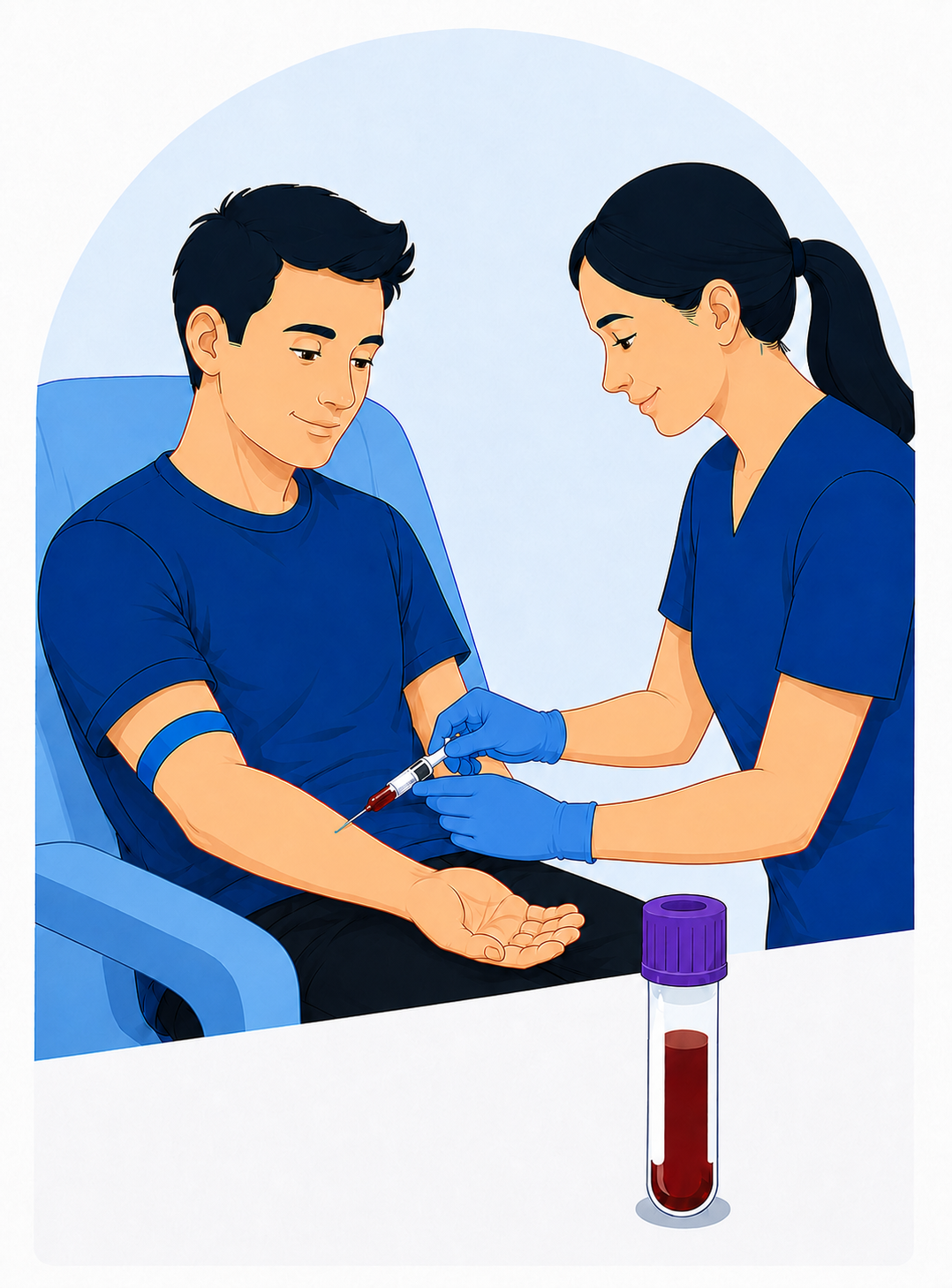
Provide Blood Sample
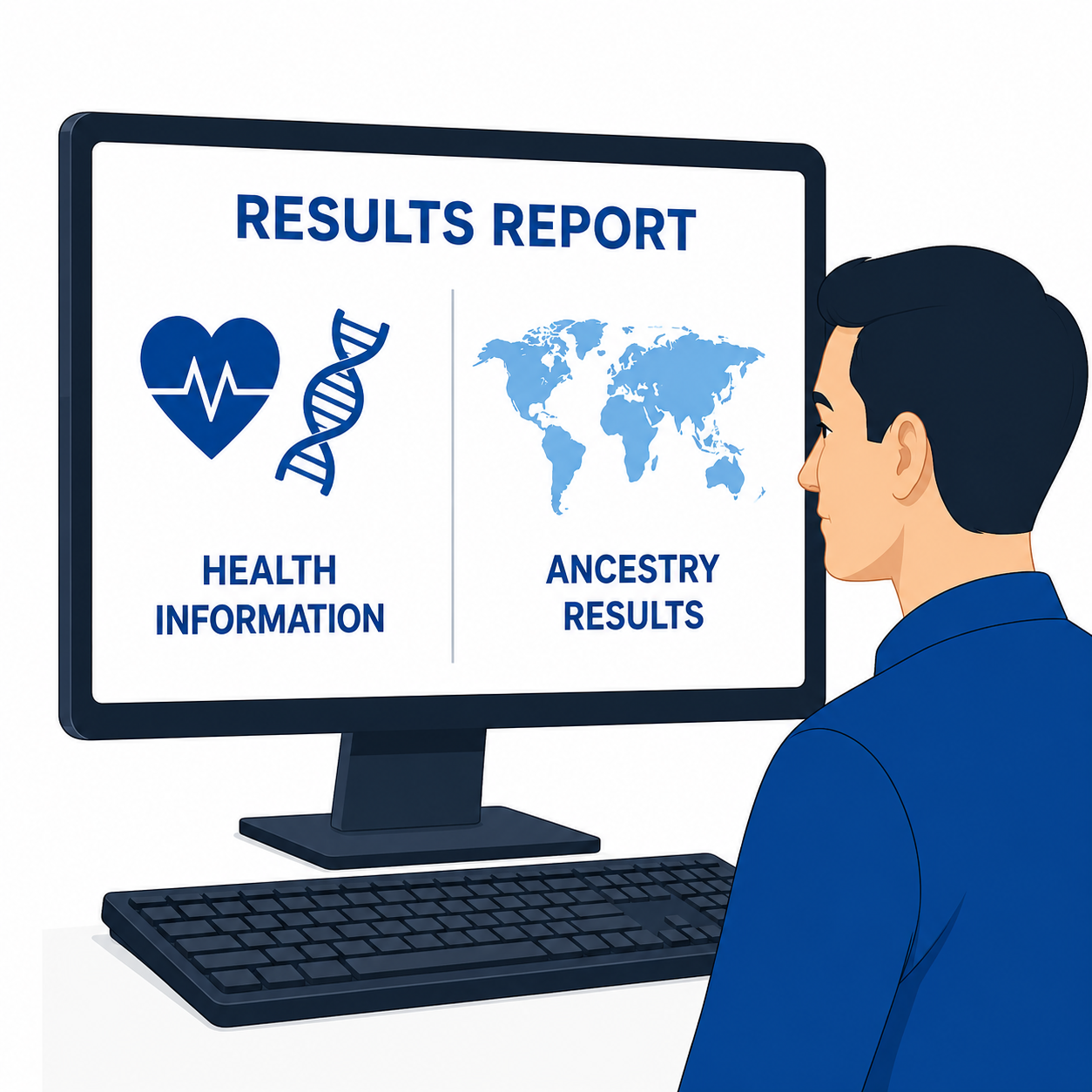
Receive Genetic Health Screening and Ancestry Results
Have questions? We're here to help. You can contact the study team at any time before, during, or after enrollment.
What Can I Expect?
SPARC is designed to return certain genetic health screening results that may be important for your health. These are findings where medical guidelines exist and where steps may be taken to help prevent or manage disease.
We focus on conditions that are well understood, such as:
Familial Hypercholesterolemia (FH)
Increases risk of early heart attacks.
Hereditary Breast and Ovarian Cancer Syndrome (HBOC)
Increases risk of breast, ovarian, prostate, and pancreatic cancer, as well as melanoma.
Lynch Syndrome (LS)
Increases risk of colorectal cancer, endometrial cancer, and other cancers, often at younger ages.
If a medically important genetic finding is identified, you will be contacted by the SPARC team, offered genetic counseling, and have your results added to your medical record. It might take a few months or even a few years for us to check your DNA.
Hear From SPARC Participants
"I've always had a passion for research, so being part of the SPARC program felt especially meaningful to me. Knowing that SPARC is focused on advancing our understanding of health and genetics made me eager to contribute. I feel like I'm playing a small but important role in something much bigger. It's rewarding to know that the data collected could help researchers identify patterns and improve healthcare for future patients. Being involved in this kind of forward-thinking research gives me a sense of purpose and hope for what's ahead in medicine."
— Adrian
Your Privacy
Protecting participant privacy is a core priority of SPARC. Safeguards include removing your name and other personal identifiers from research data, secure computing environments, restricted and audited access, and institutional review board (IRB) oversight.
While no system is entirely risk-free, SPARC follows institutional, state, and federal requirements to minimize privacy risks and to notify participants if a data breach were to occur.
Frequently Asked Questions
SPARC was established to help us understand how genes impact our health. By studying genetic and clinical information from large groups of people, we hope to make discoveries that identify health risks and keep our patients healthier longer.
SPARC is currently open to adults 18 and older with a UT Southwestern medical record. You do not need to have a specific disease or health condition to join. Healthy individuals are welcome. People who have received an allogenic bone marrow transplant are not eligible. If you would like to check your eligibility, please complete our eligibility form.
No. Participants are not paid to take part in SPARC.
No, there are no costs to take part in SPARC. However, SPARC does not reimburse expenses such as parking or travel. If you receive a genetic result and choose to seek follow-up medical care, that care would be billed in the usual way.
We estimate that it will take you around 15 minutes to join SPARC online. You will also need to provide a blood sample for genetic testing. In many cases, this can be done as part of your regular care. In the future, the study team may contact you about optional surveys or other research opportunities, such as additional testing or imaging. You may choose whether or not to take part in any of these.
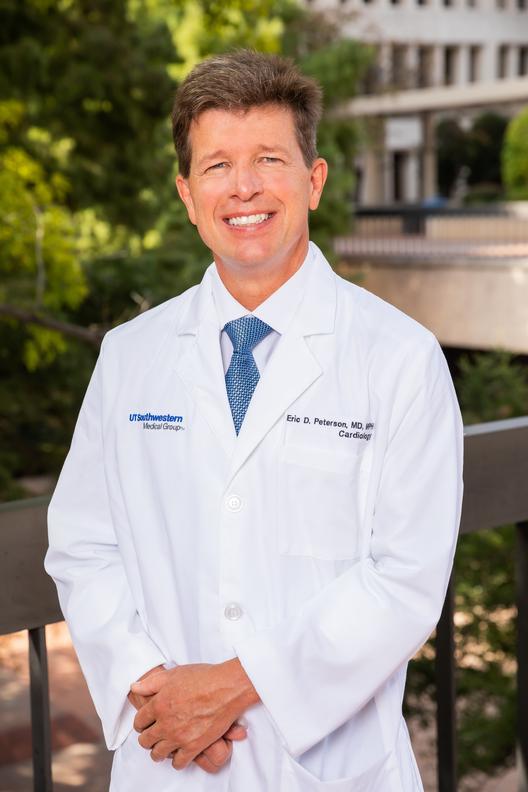
Our Leadership Team
Our interdisciplinary team brings together genetics, genomics, clinical medicine, and research expertise.



Our Partners
The SPARC research study is conducted by UT Southwestern Medical Center in collaboration with Regeneron Genetics Center, which performs genomic sequencing for the study.
Together, we are working to advance precision medicine research and improve our understanding of how genetics influences health and disease.
Contact Us
Ready to join the study or have questions? Get in touch with our research team.